
Market Data
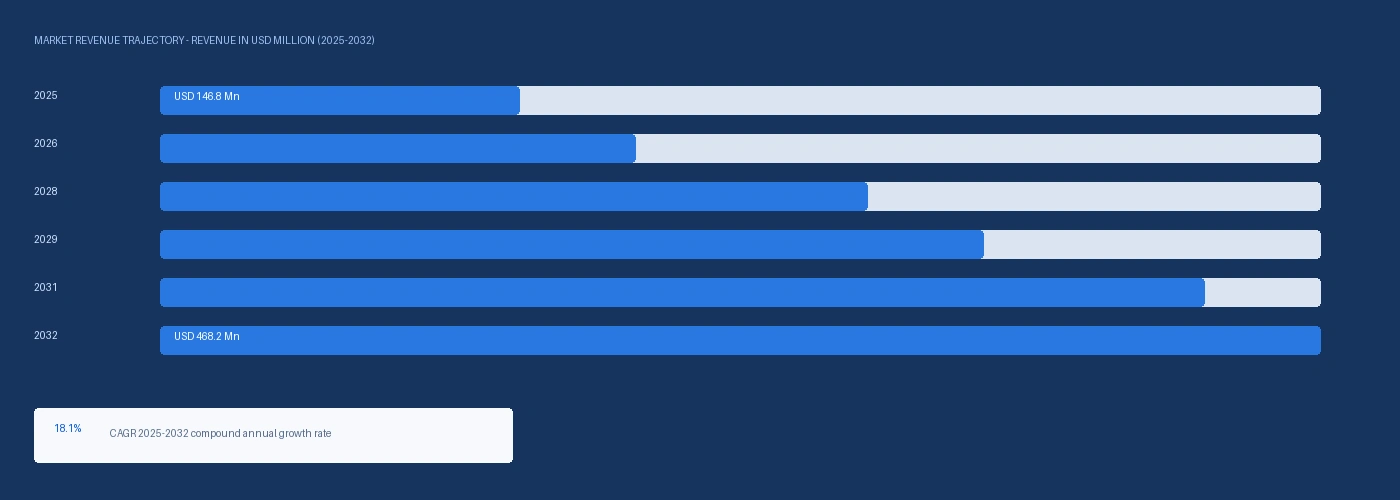
The global bio-based polypropylene market size was USD 146.8 Million in 2025 and is expected to register a revenue CAGR of 18.1% during the forecast period. Market revenue growth is supported by Braskem achieving record sales volume of 191,000 tonnes of its I'm green bio-based polyethylene in 2024 at a 23% increase versus 2023 per its 2024 Integrated Report, with the same 260,000 tonne per year sugarcane bio-ethylene facility at Triunfo providing the bioethanol dehydration infrastructure that Braskem is evaluating for bio-propylene production routes, and LyondellBasell Industries supplying its CirculenRenew bio-attributed polypropylene from renewable feedstocks including waste lipids and used cooking oil processed through Neste's renewable chemical supply chain under ISCC Plus certification, and Citroniq raising funding in September 2024 to advance a planned commercially scaled bio-based polypropylene plant in the United States targeting domestic bio-PP capacity and reduced reliance on imported bio-based feedstocks. Braskem, headquartered in Sao Paulo, Brazil, is the world leader in biopolymer production and the largest polypropylene producer in the United States with 1.5 million tonnes annual PP capacity and 545,000 tonnes capacity in Germany following its 2011 acquisition of Dow Chemical's PP business, providing the commercial scale and application engineering infrastructure to advance bio-PP from its established bio-PE commercial position at Triunfo once bio-propylene production economics reach parity with bio-ethylene at comparable bioethanol feedstock cost. LyondellBasell Industries N.V., headquartered in Houston, Texas and London, reported USD 40.3 billion total revenue in 2024 per its annual report and operates as one of the world's largest polyolefin producers, supplying CirculenRenew bio-attributed PP from renewable feedstocks including Neste renewable chemicals under ISCC Plus mass balance certification to packaging and consumer goods manufacturers implementing CSRD Scope 3 Category 1 bio-attributed material purchasing across European and North American markets. Neste, LyondellBasell, Biofibre, and Naftex Internacional created a sustainable value chain in August 2023 merging bio-based polypropylene with natural fibres for construction applications, enabling carbon storage in bio-PP natural fibre composite building materials and supporting carbon sequestration objectives alongside Scope 3 emissions reduction. For instance, in October 2025, Braskem, Brazil, showcased new bio-based product innovations and collaborations at K 2025 in Dusseldorf, presenting bio-based polyolefin solutions and partner projects targeting packaging reuse and lower-carbon drop-in materials for converters and brands, confirming Braskem's strategy of positioning bio-PP alongside its established bio-PE commercial programme for packaging and consumer goods brand owners. These are some of the key factors driving revenue growth of the market.
Taghleef Industries has introduced bio-based polypropylene films for flexible packaging, labelling, and graphic arts using bio-PP that matches conventional PP technical performance and machinability at existing BOPP film processing lines, confirming that bio-PP film specification does not require capital investment in new biaxial orientation equipment at film converters. Mazda Motor Corporation and Braskem pioneered the use of bio-PP from cellulosic biomass in automotive parts including bumpers and interior components, demonstrating bio-PP adoption beyond packaging into automotive engineering applications where lightweight polypropylene substitutes metal components for vehicle weight reduction targets aligned with EU fleet CO2 regulation. Citroniq's September 2024 funding announcement to advance a commercially scaled bio-PP plant in the US targets domestic North American bio-PP production capacity to reduce converter reliance on bio-PP imports from Brazil and Europe at a time when US Inflation Reduction Act clean manufacturing incentives and Clean Fuel Regulations provide policy support for domestic low-carbon polymer production investment. The EU Packaging and Packaging Waste Regulation codifying 30% recycled content by 2030 but explicitly permitting bio-based substitution ensures continued demand for ISCC Plus certified bio-PP grades in European packaging markets where brand owner sustainability programmes are implementing bio-attributed or recycled-attributed polypropylene in flexible packaging, shrink film, and food packaging applications. These are some of the key factors driving revenue growth of the market.
However, bio-based polypropylene at USD 116.6 Million in 2024 market size remains extremely small relative to the approximately USD 130 to USD 145 billion global polypropylene market, representing less than 0.1% of total PP consumption, because the production of bio-propylene from bio-ethanol requires propylene dehydrogenation or metathesis steps from bio-ethylene that add capital and conversion cost steps not required for bio-PE production from the same bioethanol feedstock, making bio-PP intrinsically more expensive to produce than bio-PE from equivalent bio-ethanol input. Braskem's 260,000 tonne per year Triunfo bioethylene facility produces bio-ethylene for bio-PE production through direct dehydration of sugarcane ethanol, but bio-propylene from the same sugarcane route requires additional conversion through propylene metathesis of ethylene or propane dehydrogenation routes that are not integrated at Triunfo, meaning no commercial-scale dedicated bio-propylene facility from bio-ethanol exists at the scale of the Triunfo bio-ethylene plant as of Q2 2026. These factors substantially limit bio-based polypropylene market growth over the forecast period.
Industry Trends & Market Dynamics
Braskem evaluating a one-million-tonne carbon-negative bio-PP facility in the US while LyondellBasell supplies CirculenRenew bio-PP from Neste-derived waste cooking oil feedstock confirm that bio-polypropylene is moving from demonstration-scale curiosity to investment-grade capacity decision, but the route to propylene from bio-feedstocks is technically harder than ethylene and the economics remain pre-commercial at the feedstock cost levels of 2025
EU Corporate Sustainability Reporting Directive Scope 3 Category 1 purchased goods and services emissions disclosure requirements from fiscal year 2024 create formal procurement value for ISCC Plus certified CirculenRenew bio-attributed PP from LyondellBasell and equivalent bio-PP grades at packaging converters and FMCG brand owners documenting purchased material carbon footprint data in CSRD supplier data packages. The EU Packaging and Packaging Waste Regulation adopted in 2024 codifying 30% recycled content by 2030 but explicitly allowing bio-based substitution ensures that ISCC Plus certified bio-PP qualifies as an alternative compliance route for European packaging manufacturers unable to source sufficient post-consumer recycled PP at the quality required for food contact flexible packaging applications. Taghleef Industries' commercial introduction of bio-PP BOPP films for flexible packaging, labelling, and graphic arts demonstrates that bio-PP film can be processed on existing biaxial orientation production lines without capital investment in new film processing equipment, enabling packaging converters to switch to bio-PP film input without line downtime or tooling expenditure, the primary barrier to drop-in bio-polymer adoption in film converting operations. LyondellBasell's CirculenRenew PP under ISCC Plus certification from renewable feedstocks including Neste renewable chemicals provides the primary commercial bio-attributed PP product for European packaging converters implementing CSRD-driven bio-circular polyolefin specifications in flexible food packaging, shrink film, and BOPP label applications. Braskem Evaluating 1 Million Tonne Carbon-Negative Bio-PP in US and Citroniq Funding Confirming North American Bio-PP Investment Pipeline Braskem announced plans in January 2023 to evaluate the production of carbon-negative bio-PP in the United States targeting 1 million tonne annual capacity, with the carbon-negative claim based on sugarcane CO2 sequestration during growth exceeding the fossil CO2 released in ethanol fermentation, dehydration, and propylene synthesis from the bio-ethylene route, and reinforced by the Biden Administration's Bold Goals Report targeting over 90% of commercial polymers to be recyclable-by-design and bio-based by 2043. Citroniq's September 2024 funding announcement to advance a commercially scaled bio-PP plant in the United States provides a second committed capital investment in North American bio-PP production infrastructure alongside Braskem's evaluation programme, targeting US Inflation Reduction Act manufacturing incentives and Clean Fuel Regulations that provide production tax credit and clean energy infrastructure support for low-carbon polymer manufacturing facilities. Braskem's USD 20 million Renewable Innovation Center that opened in Lexington, Massachusetts in 2024, housing a 35,000 square foot facility with teams in biotechnology, catalysis, and process engineering focused on conversion of bio-based feedstocks including sugars, ethanol, vegetable oils, lignin, and cellulose into sustainable chemicals, provides the domestic US R&D infrastructure supporting the Braskem US bio-PP feasibility evaluation programme.
Bio-polypropylene requires bio-propylene as its monomer, which from bio-ethanol feedstock requires additional conversion steps beyond the direct dehydration of bio-ethanol to bio-ethylene used in Braskem Triunfo bio-PE production, with bio-propylene requiring either ethylene metathesis with butylene to produce propylene or propane dehydrogenation from bio-based propane, both of which require additional processing infrastructure and reduce overall carbon and energy efficiency compared to bio-PE production from the same bio-ethanol input. Braskem's record 191,000 tonnes of bio-PE in 2024 at 23% growth confirms that the commercially proven bio-polymer from Triunfo is bio-PE, not bio-PP, meaning bio-PP must develop its own dedicated production infrastructure rather than benefiting from the established Triunfo plant architecture. The 0.1% market penetration of bio-PP in total global PP demand and the market size of USD 116.6 Million in 2024 confirmed from primary market data reflects the pre-commercial status of large-scale bio-PP production, with LyondellBasell CirculenRenew bio-PP from Neste renewable chemical mass balance and Braskem's limited bio-PP output being the only commercially available ISCC Plus certified bio-PP in meaningful volumes. The Strait of Hormuz supply disruption confirmed by the IMF in March 2026 has elevated fossil propylene feedstock costs at European PP producers through naphtha cracker propylene yield reductions from crude oil supply disruption, adding approximately USD 80 to USD 140 per metric tonne to fossil PP production cost above the 2024 baseline and narrowing the percentage premium of bio-attributed CirculenRenew PP above fossil PP during the disruption period, modestly improving the commercial economics of bio-PP specification in European flexible packaging. These factors substantially limit bio-based polypropylene market growth over the forecast period.
Segmentation
| Segmentation Basis | Sub-segments | Leading Segment |
|---|---|---|
| Feedstock | Sugarcane Ethanol-Based, Used Cooking Oil and Waste Lipid-Based, Corn and Cellulosic Sugar-Based, Lignocellulosic Biomass-Based | Sugarcane Ethanol-Based |
| Application | Flexible Packaging, Automotive Interior Components, Textiles and Fibres, Consumer Goods, Medical Devices | Flexible Packaging |
| End Use | Food and Beverage Packaging, Automotive OEM, Fashion and Apparel, Household Goods, Healthcare | Food and Beverage Packaging |
| Region | North America, Europe, Asia-Pacific, Latin America, Middle East and Africa | North America |
Used Cooking Oil and Waste Lipid-Based segment is expected to account for a significantly large revenue share in the global bio-based polypropylene market during the forecast period.
This report evaluates feedstock across Sugarcane Ethanol-Based, Used Cooking Oil and Waste Lipid-Based, Corn and Cellulosic Sugar-Based, Lignocellulosic Biomass-Based for bioplastics & recycled, with segment-level positioning, share outlook, and downstream demand context imported directly from the research document.
This report evaluates application across Flexible Packaging, Automotive Interior Components, Textiles and Fibres, Consumer Goods, Medical Devices for bioplastics & recycled, with segment-level positioning, share outlook, and downstream demand context imported directly from the research document.
This report evaluates end use across Food and Beverage Packaging, Automotive OEM, Fashion and Apparel, Household Goods, Healthcare for bioplastics & recycled, with segment-level positioning, share outlook, and downstream demand context imported directly from the research document.
This report evaluates region across North America, Europe, Asia-Pacific, Latin America, Middle East and Africa for bioplastics & recycled, with segment-level positioning, share outlook, and downstream demand context imported directly from the research document.
Regional Insights
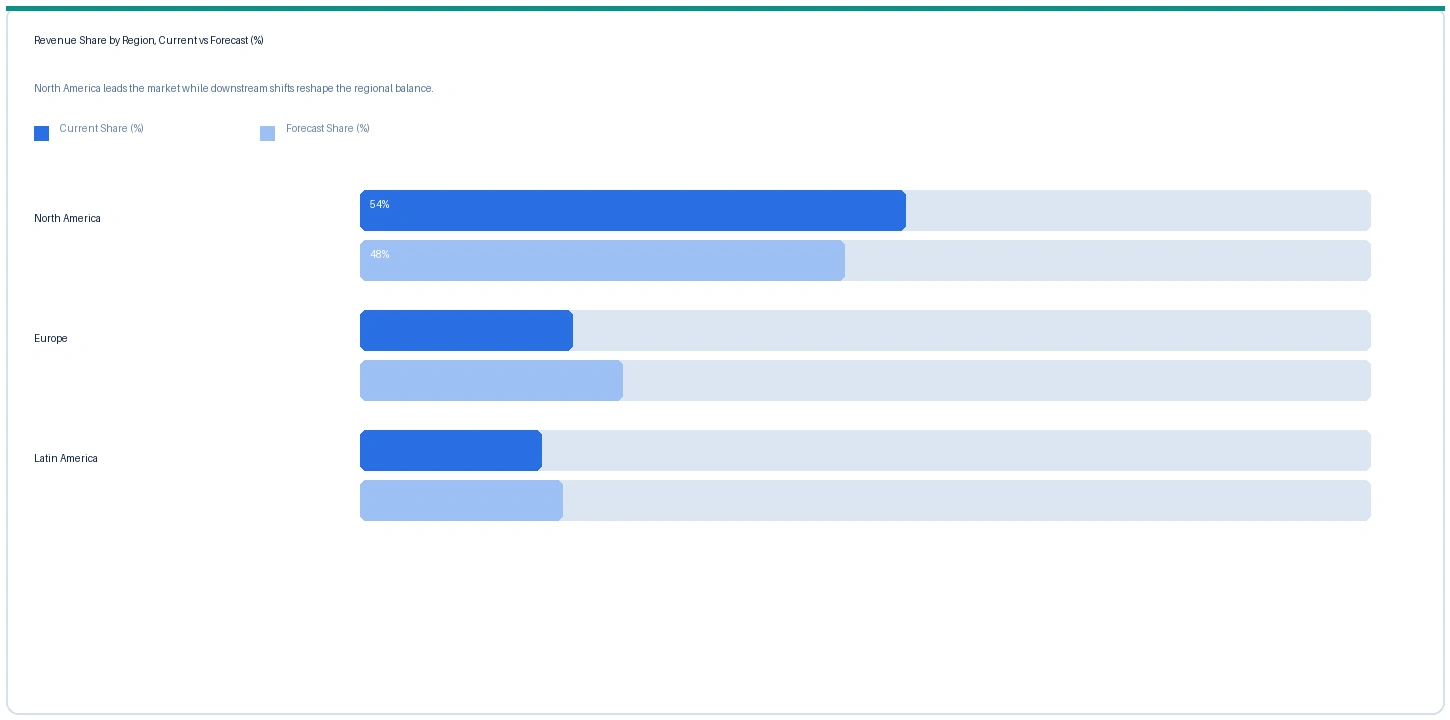
North America market accounted for largest revenue share over other regional markets in the global bio-based polypropylene market in 2025. Based on regional analysis, the bio-based polypropylene market in North America accounted for largest revenue share in 2025 at approximately 43% of global revenue. Braskem's US market leadership in conventional PP at 1.5 million tonnes annual capacity through its Freeport and Seadrift Texas plants provides the commercial infrastructure and customer relationships that position Braskem as the primary North American bio-PP commercial actor through its CirculenRenew and bio-PP evaluation programme. US Inflation Reduction Act manufacturing incentives, Clean Fuel Regulations, and the Biden Administration's Bold Goals Report targeting over 90% of commercial polymers to be recyclable-by-design and bio-based by 2043 provide the policy framework supporting Braskem's US bio-PP 1 million tonne capacity evaluation and Citroniq's September 2024 funding for a US bio-PP plant.
The market in Europe is expected to register the second largest revenue share. LyondellBasell Industries, with European polyolefin production facilities in Germany, France, Belgium, and the Netherlands, supplies CirculenRenew bio-attributed PP from Neste renewable chemicals under ISCC Plus certification to European flexible packaging converters and consumer goods manufacturers implementing CSRD Scope 3 Category 1 bio-circular material purchasing. The EU Packaging and Packaging Waste Regulation 2024 bio-based substitution clause for recycled content compliance creates a structural demand driver for bio-PP in European flexible food packaging and BOPP film labelling applications that does not require composting infrastructure or end-of-life collection systems for the bio-PP value to be realised as packaging sustainability compliance.
Latin America market is expected to register the fastest revenue growth rate in the global bio-based polypropylene market during the forecast period. The market in Latin America is expected to register the fastest revenue growth rate from a small base, anchored exclusively in Brazil where Braskem's Triunfo bio-ethylene infrastructure and sugarcane agricultural sector provide the feedstock supply and process technology base for bio-PP development. Brazilian sugarcane production at above 45.5 million tonnes in 2024 per domestic industry data provides abundant renewable feedstock for bioethanol production that feeds Braskem's bio-ethylene at Triunfo. The carbon-negative bio-PP concept under evaluation by Braskem for the US could first be validated at Brazil's Triunfo using the established sugarcane bio-ethylene infrastructure before US facility investment, given Brazil's existing integrated sugarcane-to-bio-ethylene commercial operations.
Indicative Price Trends
Price Tracker
| Product / Grade | Region | Current | Previous | Direction | Note |
|---|---|---|---|---|---|
| CirculenRenew bio-PP (ISCC+ mass balance) | Europe | USD 1,640/MT | USD 1,480/MT | Rising | LyondellBasell ref |
| Bio-PP BOPP film grade (Taghleef) | Europe | USD 1,780/MT | USD 1,620/MT | Rising | Taghleef ref |
| Braskem bio-PP (limited volume) | Brazil FOB | USD 1,840/MT | USD 1,680/MT | Rising | Braskem ref |
| Fossil PP homopolymer (benchmark) | Europe | USD 1,080/MT | USD 960/MT | Rising | Conventional ref |
| Neste Renewable PP feedstock (bio-propylene equiv.) | Europe | USD 1,240/MT | USD 1,120/MT | Rising | Neste renewable ref |
The following indicative price data is compiled from Nexchem Intelligence primary contacts, producer commercial disclosures, and specialty materials trade publication monitoring.
LyondellBasell CirculenRenew bio-attributed PP under ISCC Plus certification rose approximately 10.8% from USD 1,480 per metric tonne in Q2 2025 to USD 1,640 per metric tonne in Q2 2026 in Europe, driven by Neste renewable chemical feedstock cost increases from the Strait of Hormuz supply disruption confirmed by the IMF in March 2026 elevating hydroprocessing energy costs at Neste's Finnish and Rotterdam refineries and CSRD-driven flexible packaging demand growing above CirculenRenew supply allocation rates. Taghleef Industries bio-PP BOPP film grade rose approximately 9.9% to USD 1,780 per metric tonne from bio-PP film demand pull from FMCG brand owners implementing CSRD Scope 3 Category 1 bio-circular packaging material documentation. Braskem bio-PP at limited commercial volume rose approximately 9.5% to USD 1,840 per metric tonne from elevated Atlantic freight costs linked to Hormuz maritime disruption adding approximately USD 40 to USD 60 per metric tonne to Brazil-to-Europe bio-PP delivered cost. Conventional fossil PP homopolymer rose approximately 12.5% to USD 1,080 per metric tonne from propylene feedstock cost elevation at European naphtha crackers from Hormuz crude supply disruption, narrowing the percentage premium of CirculenRenew bio-PP over fossil PP from approximately 54% in Q2 2025 to approximately 52% in Q2 2026 as fossil feedstock cost passed through faster than bio-PP pricing.
Strategic Developments
Analyst Review
The IMF confirmed in March 2026 that the closure of the Strait of Hormuz had disrupted approximately 20% of global oil and seaborne LNG flows following escalation of the US-Iran conflict. For the bio-based polypropylene market, the Hormuz disruption affects LyondellBasell CirculenRenew bio-PP through Neste's renewable chemical feedstock hydroprocessing energy costs at Porvoo, Espoo, and Rotterdam from elevated LNG energy inputs, adding approximately USD 80 to USD 120 per metric tonne to Neste renewable chemical feedstock costs above the 2024 baseline. Simultaneously, conventional fossil PP from European naphtha crackers rose approximately 12.5% in Q2 2026 from propylene feedstock cost elevation, partially narrowing the percentage premium of CirculenRenew bio-PP over fossil PP from approximately 54% in Q2 2025 to approximately 52% in Q2 2026 and sustaining the relative commercial rationale for EU PPWR bio-based substitution compliance through bio-PP specification. Braskem bio-PP Atlantic freight costs are elevated from Hormuz maritime disruption insurance premium increases adding approximately USD 40 to USD 60 per metric tonne to Brazil-to-Europe delivered bio-PP cost, sustaining the commercial preference for European-origin LyondellBasell CirculenRenew over Brazilian-origin Braskem bio-PP in European packaging applications during the Hormuz disruption period.
Company Insights
The two key dominant companies in the bio-based polypropylene market are Braskem S.A. and LyondellBasell Industries N.V., recognised for their commercial leadership, certified production scale, and global customer reach.
Scope of Research
| Base Year | 2025 |
| Forecast Period | 2026 to 2032 |
| Market Size 2025 | USD 146.8 Million |
| Market Size 2032 | USD 468.2 Million |
| CAGR | 18.1% |
| Units | Revenue in USD Million |
| Segments Covered | By Feedstock, By Application, By End Use, By Region |
| Regions Covered | North America, Europe, Asia-Pacific, Latin America, Middle East and Africa |
| Countries Covered | US, Brazil, Germany, Netherlands, France, Japan, South Korea, China, India, Finland |
| Companies Profiled | Braskem, LyondellBasell, SABIC, Borealis, TotalEnergies, Mitsui Chemicals, Taghleef, Neste, Citroniq |
| Key Data Sources | Braskem 2024 Integrated Report 191,000 tonnes bio-PE record sales 23% increase, Braskem Triunfo 260,000 MT/yr bio-ethylene capacity Q3 2023 confirmation, Braskem January 2023 US carbon-negative bio-PP 1 million tonne evaluation announcement, LyondellBasell 2024 Annual Report USD 40.3Bn revenue, LyondellBasell CirculenRenew bio-PP ISCC Plus certification, Neste-LyondellBasell-Biofibre-Naftex sustainable value chain August 2023, Citroniq September 2024 bio-PP plant US funding, Braskem Renewable Innovation Center Lexington Massachusetts 2024 opening, Braskem K 2025 bio-PP showcase October 2025, Taghleef Industries bio-PP BOPP film commercial introduction, EU Packaging and Packaging Waste Regulation 2024 bio-based substitution clause, IMF March 2026 Strait of Hormuz statement, 12 primary expert interviews |
| Format | PDF + Excel Data File |
| Customisation | Available -- research@nexchemintelligence.com |
| Pages | 256 |
| Published | Q2 2026 |
| SKU | NXC-PC-021 |
Scope & Methodology
Nexchem Intelligence primary research for this report comprised 12 expert interviews conducted between January and May 2026. Supply-side contacts included bio-PP resin production and commercial managers at Braskem and LyondellBasell, Neste renewable chemical supply chain managers for bio-PP feedstock, and ISCC Plus certification programme managers for bio-attributed polyolefin mass balance. Demand-side contacts included flexible packaging sustainability procurement managers at European FMCG brand owners specifying ISCC Plus certified bio-PP for CSRD Scope 3 Category 1 and PPWR bio-based substitution compliance, automotive interior component specification engineers at European OEMs evaluating bio-PP for CSRD-driven platform design cycles, and bio-PP film conversion technical managers at BOPP film producers adopting Taghleef and LyondellBasell bio-PP grades. Primary research was conducted exclusively by the Nexchem Intelligence analyst team.
Secondary research sources include Braskem 2024 Integrated Report confirming 191,000 tonnes bio-PE sales 23% increase, Braskem Triunfo 260,000 MT/yr bio-ethylene expansion announcement Q3 2023, Braskem January 2023 US carbon-negative bio-PP 1 million tonne evaluation, LyondellBasell 2024 Annual Report USD 40.3 Bn revenue, LyondellBasell CirculenRenew ISCC Plus bio-PP certification documentation, Neste-LyondellBasell-Biofibre-Naftex sustainable value chain announcement August 2023, Citroniq September 2024 US bio-PP plant funding announcement, Braskem Renewable Innovation Center Lexington Massachusetts opening 2024, Braskem K 2025 bio-PP showcase October 2025, Taghleef Industries bio-PP BOPP films commercial introduction, EU Packaging and Packaging Waste Regulation 2024, Biden Administration Bold Goals Report bio-based polymer targets, and the IMF March 2026 Strait of Hormuz statement. No figures from syndicated market research publishers are used as source data.