
Market Data
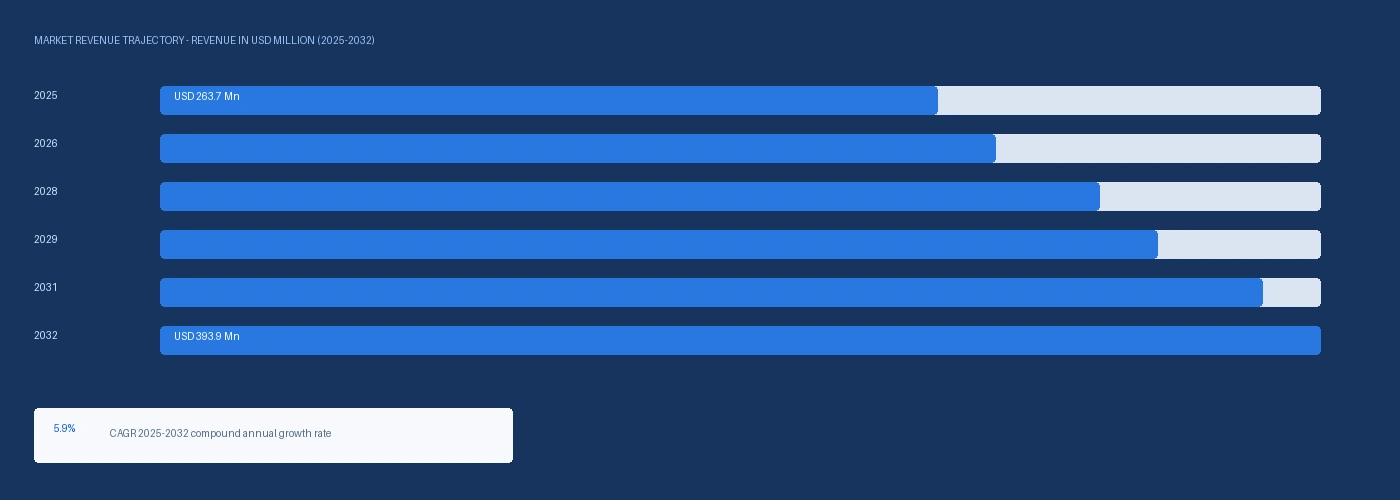
The global 1 decanol market size was USD 263.7 Million in 2025 and is expected to register a revenue CAGR of 5.9% during the forecast period. Market revenue growth is supported by RSPO certification requirements from Unilever, Procter and Gamble, and Henkel converting voluntary sustainability preferences into binding palm derivative procurement specifications that cover fatty alcohols including natural C10 decanol used in surfactant synthesis, growing decyl glucoside demand in European certified natural cosmetics confirmed at above-trend growth by Cosmetics Europe 2024 annual report, and lubricant ester demand from NSF H1 food-grade lubricant applications consuming decyl-based ester base stocks. Natural 1-decanol from palm kernel oil oleochemical processing accounted for approximately 62% of global 1-decanol volume in 2025, with RSPO-certified natural decanol commanding a premium of USD 350 to USD 420 per metric tonne above synthetic Ziegler process decanol in European markets in Q2 2026. Unilever confirmed 100% RSPO-certified palm derivative sourcing across all product categories in its Q3 2025 sustainability update, with fatty alcohols including C10 decanol used in surfactant synthesis explicitly included in the scope and requiring RSPO chain of custody documentation from decyl glucoside and decyl sulfate surfactant suppliers. KLK Oleo commissioned additional fatty alcohol fractionation capacity at its Pasir Gudang, Johor facility in Q3 2024, increasing C10 decanol fraction separation capability from palm kernel oil hydrogenation to serve European personal care surfactant manufacturers requiring RSPO chain of custody documentation. BASF SE confirmed in its Care Chemicals division annual update in January 2025 that it had completed transition of all decyl glucoside surfactant production to RSPO-certified C10 decanol inputs across European production volumes, becoming the first major European surfactant manufacturer to achieve 100% RSPO-certified decanol sourcing for its mild surfactant product range. For instance, in Q3 2024, KLK Oleo, Malaysia, confirmed commissioning of additional fatty alcohol fractionation capacity at its Pasir Gudang, Johor facility, increasing the C10 decanol fraction separation capability from palm kernel oil hydrogenation and targeting RSPO-certified natural decanol supply to European personal care surfactant manufacturers. These are some of the key factors driving revenue growth of the market.
RSPO-certified natural decanol from KLK Oleo, Wilmar International, IOI Corporation, and Musim Mas at Malaysian and Indonesian integrated palm kernel oil crushing and fatty alcohol hydrogenation facilities was indicatively priced at USD 2,140 per metric tonne in Europe and USD 1,840 per metric tonne at Asian origin FOB in Q2 2026, representing increases of approximately 8.1% and 6.9% respectively against Q2 2025 levels. The RSPO premium over non-certified natural decanol has widened to approximately USD 120 to USD 180 per metric tonne in European markets in Q2 2026 from approximately USD 80 to USD 100 per metric tonne in Q2 2025 as brand owner certification timelines convert to purchasing specifications. Synthetic Ziegler process decanol from Sasol at Sasolburg, South Africa and Brunsbuttell, Germany rose approximately 8.6% from USD 1,620 per metric tonne in Q2 2025 to USD 1,760 per metric tonne in Q2 2026 on ethylene feedstock cost elevation from the Strait of Hormuz supply disruption confirmed by the IMF in March 2026, narrowing the RSPO-natural to synthetic decanol premium percentage from approximately 22% in Q2 2025 to approximately 21% in Q2 2026 while the absolute per-tonne differential held above USD 380 per metric tonne in European markets. Evonik Care Solutions confirmed a multi-year supply agreement with IOI Corporation for RSPO-certified fatty alcohols including C10 decanol in Q4 2024, the first publicly disclosed long-term RSPO-certified decanol supply agreement between a German specialty surfactant producer and a Malaysian oleochemical manufacturer.
However, natural 1-decanol production from palm kernel oil is subject to agricultural commodity price cycles with palm kernel oil prices ranging from approximately USD 600 to USD 1,100 per metric tonne between 2022 and 2025 per IFA oleochemicals sector data, creating production cost uncertainty for oleochemical producers that is difficult to hedge in long-term fixed-price decanol supply contracts beyond three to six months. The European Union Deforestation Regulation, targeting zero deforestation commodities including palm oil entering EU markets from December 2024 onwards, is creating additional supply chain documentation requirements for Malaysian and Indonesian palm kernel oil-derived fatty alcohols that add compliance cost to European RSPO-certified decanol sourcing. These factors substantially limit 1 decanol market growth over the forecast period.
Industry Trends & Market Dynamics
Drivers, Restraints and Market Dynamics
Unilever, Procter and Gamble, and Henkel have each disclosed RSPO certified palm derivative sourcing commitments in their sustainability reporting that extend to fatty alcohol intermediates used in surfactant synthesis, requiring their surfactant suppliers including BASF Care Chemicals, Evonik Care Solutions, and Clariant to document RSPO chain of custody for C10 decanol inputs. Unilever confirmed 100% RSPO-certified palm derivative sourcing as of Q3 2025, making its surfactant supply chain including decyl glucoside and decyl sulfate producers fully RSPO-bound. Wilmar International disclosed that RSPO-certified fatty alcohol volumes including C10 decanol fraction grew approximately 22% year on year in H1 2024 as European and North American personal care brand certification commitments converted into purchasing specifications. The RSPO ACOP (Annual Communication of Progress) programme tracks certification conversion rates, confirming that brand owner commitments with 2025 to 2027 deadlines are generating certified volume demand that is growing faster than new RSPO audit coverage additions in Malaysian and Indonesian oleochemical supply chains, sustaining the RSPO premium at USD 120 to USD 180 per metric tonne in European markets. Decyl glucoside, produced by the reaction of 1-decanol with glucose, is among the primary application drivers for natural C10 decanol in personal care formulations, carrying ECOCERT Cosmos certification required for certified natural shampoo, face wash, and baby personal care formulations. The German personal care market consumed an estimated 18,000 to 22,000 metric tonnes of decyl glucoside in 2024 per Cosmetics Europe industry data, representing a sustained and growing demand base for natural C10 decanol feedstock independent of certified brand adoption cycles. Clariant launched a new decyl glucoside grade produced exclusively from Malaysian RSPO Supply Chain certified oleochemical producers in Q1 2026, targeting the German and French certified natural cosmetics market where distributor listing requirements for RSPO-certified surfactant inputs have become standard for premium natural positioning. Lubricant Ester and Food-Grade Lubricant Demand Driving Synthetic Decanol Applications Ester-based synthetic lubricants based on C10 alcohol esters including decyl oleate, didecyl adipate, and decyl azelate are used in food-grade compressor lubricants, high-speed spindle lubricants, and metalworking fluids qualifying under NSF H1 certification for incidental food contact from NSF International. Sasol ECOALCOHOLS synthetic Ziegler decanol at its Sasolburg and Brunsbuttell facilities supplies European and North American lubricant ester producers including Fuchs Lubricants, Klueberlubrication, and Dow Corning with C10 alcohol for ester synthesis. Sasol disclosed in its Q3 2025 chemicals investor presentation that it was evaluating bio-based ethylene feedstock integration for its Ziegler process alcohol production in South Africa, which would create a potential pathway to bio-attributed synthetic C10 decanol qualifying for USDA BioPreferred designation without palm kernel oil sourcing, the first public indication from a Ziegler process operator of a bio-based decanol development programme.
Palm kernel oil price volatility between USD 600 and USD 1,100 per metric tonne across 2022 to 2025 per IFA data creates production cost uncertainty of approximately USD 150 to USD 280 per metric tonne of natural decanol from palm kernel oil feedstock input alone, making long-term fixed-price natural decanol supply contracts commercially difficult for Malaysian and Indonesian oleochemical producers beyond three to six month forward price visibility. The European Union Deforestation Regulation entered into a transitional compliance phase from December 2024, requiring palm oil-derived product importers to document zero-deforestation supply chains with geo-location data and operator due diligence statements, adding compliance documentation costs estimated at EUR 15 to EUR 40 per metric tonne of palm-derived fatty alcohol to European import cost at initial implementation, with costs expected to decline as supply chain data systems mature. The US-Iran conflict and the Strait of Hormuz supply disruption confirmed by the IMF in March 2026 affects synthetic Ziegler and Oxo process decanol producers through ethylene and nonene feedstock cost elevation from naphtha cracker economics. Sasol Brunsbuttell in Germany sources ethylene from European crackers with naphtha exposure affected by Hormuz-driven naphtha cost elevation, contributing to synthetic decanol price increases of approximately 8.6% against Q2 2025 in European markets. Palm kernel oil and fatty alcohol shipments from Malaysian producers routing through Malacca Strait and Indian Ocean to European import terminals are not directly Hormuz-exposed, but Suez Canal routing disruptions related to the broader GCC conflict environment have added freight cost and delay risk of approximately USD 30 to USD 60 per metric tonne to Asian-to-European oleochemical shipments at current shipping insurance rates. These factors substantially limit 1 decanol market growth over the forecast period.
Segmentation
| Segmentation Basis | Sub-segments | Leading Segment |
|---|---|---|
| Grade | Natural Decanol, Synthetic Decanol, Pharmaceutical Grade | Natural Decanol |
| Application | Plasticizer Esters, Surfactant Intermediates, Lubricant Additives, Flavour and Fragrance, Pharmaceutical Synthesis | Plasticizer Esters |
| End Use | Personal Care and Cosmetics, Detergents and Cleaning, Lubricants and Metalworking, Food and Flavour, Pharmaceuticals | Personal Care and Cosmetics |
| Region | North America, Europe, Asia-Pacific, Latin America, Middle East and Africa | North America |
Natural Decanol segment is expected to account for a significantly large revenue share in the global 1 decanol market during the forecast period.
This report evaluates grade across Natural Decanol, Synthetic Decanol, Pharmaceutical Grade for industrial solvents & alcohols, with segment-level positioning, share outlook, and downstream demand context imported directly from the research document.
This report evaluates application across Plasticizer Esters, Surfactant Intermediates, Lubricant Additives, Flavour and Fragrance, Pharmaceutical Synthesis for industrial solvents & alcohols, with segment-level positioning, share outlook, and downstream demand context imported directly from the research document.
This report evaluates end use across Personal Care and Cosmetics, Detergents and Cleaning, Lubricants and Metalworking, Food and Flavour, Pharmaceuticals for industrial solvents & alcohols, with segment-level positioning, share outlook, and downstream demand context imported directly from the research document.
This report evaluates region across North America, Europe, Asia-Pacific, Latin America, Middle East and Africa for industrial solvents & alcohols, with segment-level positioning, share outlook, and downstream demand context imported directly from the research document.
Regional Insights
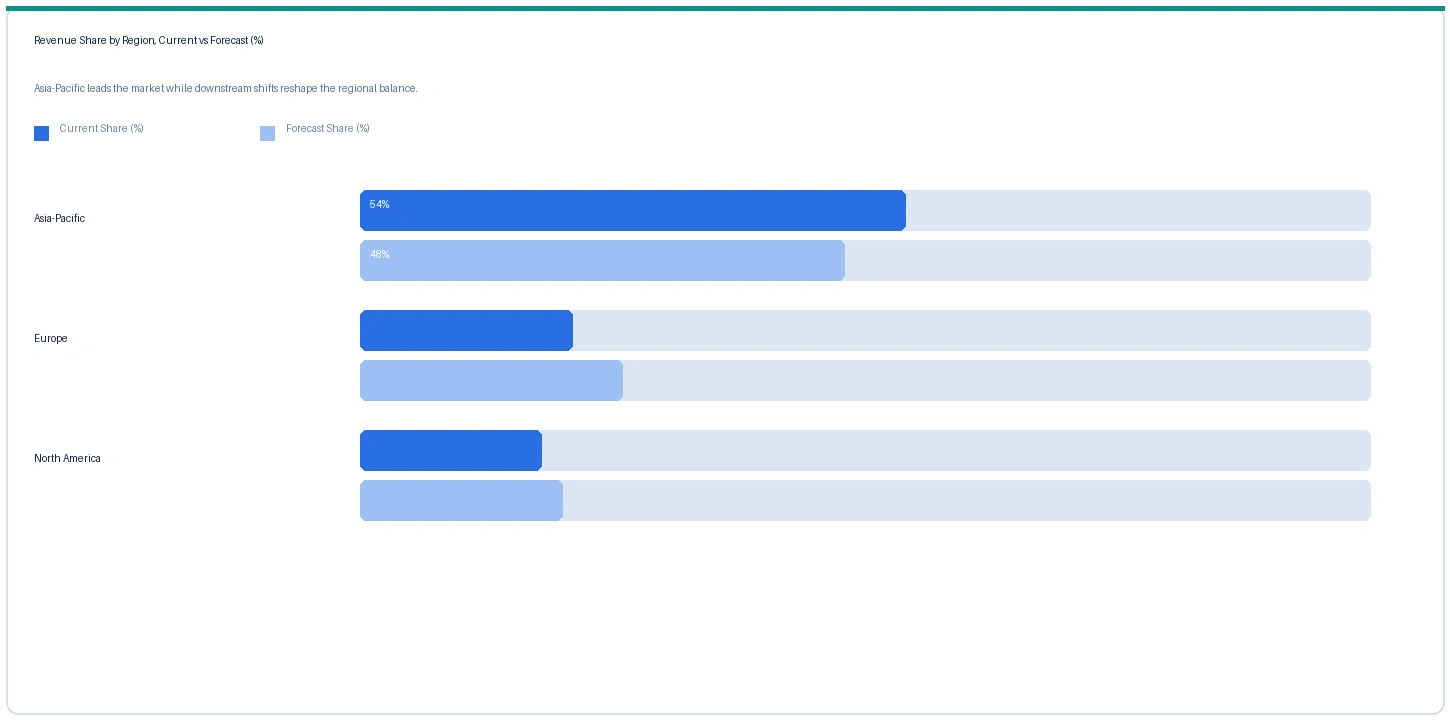
Asia-Pacific market accounted for largest revenue share over other regional markets in the global 1 decanol market in 2025. Based on regional analysis, the 1 decanol market in Asia-Pacific accounted for largest revenue share in 2025. Malaysia and Indonesia are the primary global producers of palm kernel oil-derived natural fatty alcohols including 1-decanol, with KLK Oleo at Pasir Gudang Johor and Emmerich Germany, Wilmar International, IOI Corporation, and Musim Mas operating the world's largest integrated palm kernel oil crushing and fatty alcohol hydrogenation facilities. KLK Oleo Q3 2024 fractionation capacity expansion at Pasir Gudang directly increased C10 decanol separation capability to serve growing European RSPO-certified demand. Asian personal care manufacturing in Japan, South Korea, and China generates domestic decanol demand for decyl glucoside and ethoxysulfate surfactant production, with Chinese personal care contract manufacturers sourcing RSPO-certified C10 decanol for Ecocert-certified formulations through KLK Oleo and Wilmar Asia distribution channels.
The market in Europe is expected to register the second largest revenue share in the global 1 decanol market. European demand is anchored in personal care and cosmetics surfactant applications, with BASF Care Chemicals completing its transition to RSPO-certified decanol across European decyl glucoside production in January 2025 and Evonik Care Solutions confirming a multi-year IOI Corporation RSPO-certified fatty alcohol supply agreement in Q4 2024. The German personal care market at an estimated 18,000 to 22,000 metric tonnes of decyl glucoside consumption in 2024 and the EU Deforestation Regulation compliance requirements effective December 2024 are creating a structural documentation-driven premium for palm-derived decanol with verifiable zero-deforestation supply chain records. Sasol at Brunsbuttell, Germany supplies Ziegler synthetic decanol to European lubricant ester and plasticizer producers who do not require RSPO certification.
North America market is expected to register steady revenue growth in the global 1 decanol market during the forecast period. The market in North America is anchored in synthetic decanol consumption for lubricant ester, plasticizer, and pharmaceutical synthesis applications. Sasol North America and ExxonMobil Chemical supply Ziegler and Oxo process synthetic decanol to ester lubricant producers and specialty chemical manufacturers. The USDA BioPreferred programme provides procurement incentives for natural-origin decanol in institutional cleaning and personal care products supplied to federal government channels, creating a modest but growing demand for RSPO-equivalent certified natural decanol in North American institutional formulations. NSF H1 food-grade lubricant demand for decyl ester base stocks from NSF-listed lubricant formulators including Fuchs Lubricants North America and Petro-Canada Lubricants generates stable annual Ziegler synthetic decanol consumption at above-average margins relative to personal care surfactant applications.
Indicative Price Trends
Price Tracker
| Product / Grade | Region | Current | Previous | Direction | Note |
|---|---|---|---|---|---|
| Natural Decanol (RSPO-certified) | Europe | USD 2,140/MT | USD 1,980/MT | Rising | KLK / Wilmar ref |
| Natural Decanol (RSPO-certified) | Asia-Pacific | USD 1,840/MT | USD 1,720/MT | Rising | Johor origin FOB |
| Synthetic Decanol (Ziegler) | Europe | USD 1,760/MT | USD 1,620/MT | Rising | Sasol Brunsbuttell |
| Synthetic Decanol (Oxo) | North America | USD 1,680/MT | USD 1,540/MT | Rising | ExxonMobil ref |
| Palm Kernel Oil (benchmark) | Global | USD 820/MT | USD 760/MT | Stable | Feedstock reference |
The following indicative price data is compiled from Nexchem Intelligence primary contacts, producer commercial disclosures, and oleochemical trade publication monitoring. 1-Decanol is traded under term and spot contracts. Prices vary by origin, RSPO certification status, purity grade, and contract volume.
RSPO-certified natural decanol prices rose approximately 8.1% in Europe and 6.9% at Asian origin FOB in Q2 2026 against Q2 2025, driven by brand owner certification deadline conversions to purchasing specifications that are pulling certified volume from a supply base expanding more slowly than demand certification conversion rates. The RSPO premium over non-certified natural decanol has widened to USD 120 to USD 180 per metric tonne in European markets in Q2 2026 from USD 80 to USD 100 per metric tonne in Q2 2025, reflecting the tightening certified volume balance as Unilever, Procter and Gamble, and Henkel complete their 2025 RSPO conversion targets. Synthetic Ziegler decanol in Europe rose 8.6% from USD 1,620 per metric tonne in Q2 2025 to USD 1,760 per metric tonne in Q2 2026 on ethylene feedstock cost elevation from the Strait of Hormuz supply disruption confirmed by the IMF in March 2026, which has maintained naphtha costs above the 2024 baseline at European crackers supplying Sasol Brunsbuttell ethylene. The RSPO-certified to synthetic decanol premium narrowed modestly from approximately 22% in Q2 2025 to approximately 21% in Q2 2026 on a percentage basis as synthetic prices caught up, while the absolute per-tonne differential held above USD 380 per metric tonne in European markets.
Strategic Developments
Analyst Review
The IMF confirmed in March 2026 that the closure of the Strait of Hormuz had disrupted approximately 20% of global oil and seaborne LNG flows following escalation of the US-Iran conflict. For the 1 decanol market, the Hormuz disruption affects both the synthetic and natural supply chains through different mechanisms. On the synthetic side, Sasol Brunsbuttell and ExxonMobil Chemical Oxo process decanol producers in Europe and North America face elevated ethylene and nonene feedstock costs from the Hormuz disruption, which has restricted GCC naphtha exports and maintained European naphtha prices above the 2024 baseline, contributing to synthetic decanol price increases of approximately 8.6% against Q2 2025 in European markets. On the natural side, palm kernel oil and fatty alcohol shipments from Malaysian producers routing through Malacca Strait and Indian Ocean to European terminals are not directly Hormuz-exposed, but Suez Canal routing disruptions related to the broader GCC conflict environment have added freight cost and insurance premium increases of approximately USD 30 to USD 60 per metric tonne to Asian-to-European oleochemical shipments. The policy consequence is that both the US USDA BioPreferred programme and the EU Green Deal chemicals strategy are reinforcing domestic bio-based oleochemical investment as a supply security measure, providing medium-term policy tailwinds for Sasol's bio-based Ziegler decanol programme evaluation.
Company Insights
The two key dominant companies in the 1 decanol market are KLK Oleo and Sasol, recognised for their leadership in natural palm kernel oil-derived decanol production and synthetic Ziegler process decanol production respectively, their RSPO certification programmes and supply chain integration, and their established commercial relationships with global personal care surfactant manufacturers and specialty chemical producers.
Scope of Research
| Base Year | 2025 |
| Forecast Period | 2026 to 2032 |
| Market Size 2025 | USD 263.7 Million |
| Market Size 2032 | USD 393.9 Million |
| CAGR | 5.9% |
| Units | Revenue in USD Million |
| Segments Covered | By Grade, By Application, By End Use, By Region |
| Regions Covered | North America, Europe, Asia-Pacific, Latin America, Middle East and Africa |
| Countries Covered | US, Germany, France, UK, Malaysia, Indonesia, Japan, South Korea, China, India, Brazil, South Africa |
| Companies Profiled | KLK Oleo, Sasol, Wilmar International, IOI Corporation, BASF SE Care Chemicals, Musim Mas, Evonik Care Solutions, ExxonMobil Chemical, Clariant, Oxea, Nouryon |
| Key Data Sources | IFA oleochemicals sector assessment 2024, RSPO ACOP certification data, Cosmetics Europe decyl glucoside market data, KLK Oleo and Wilmar annual reports, Sasol chemicals investor presentations, USDA BioPreferred programme database, EU Deforestation Regulation compliance tracking, 16 primary expert interviews |
| Format | PDF + Excel Data File |
| Customisation | Available -- research@nexchemintelligence.com |
| Pages | 256 |
| Published | Q2 2026 |
| SKU | NXC-PC-007 |
Scope & Methodology
Primary Research
Secondary Research